
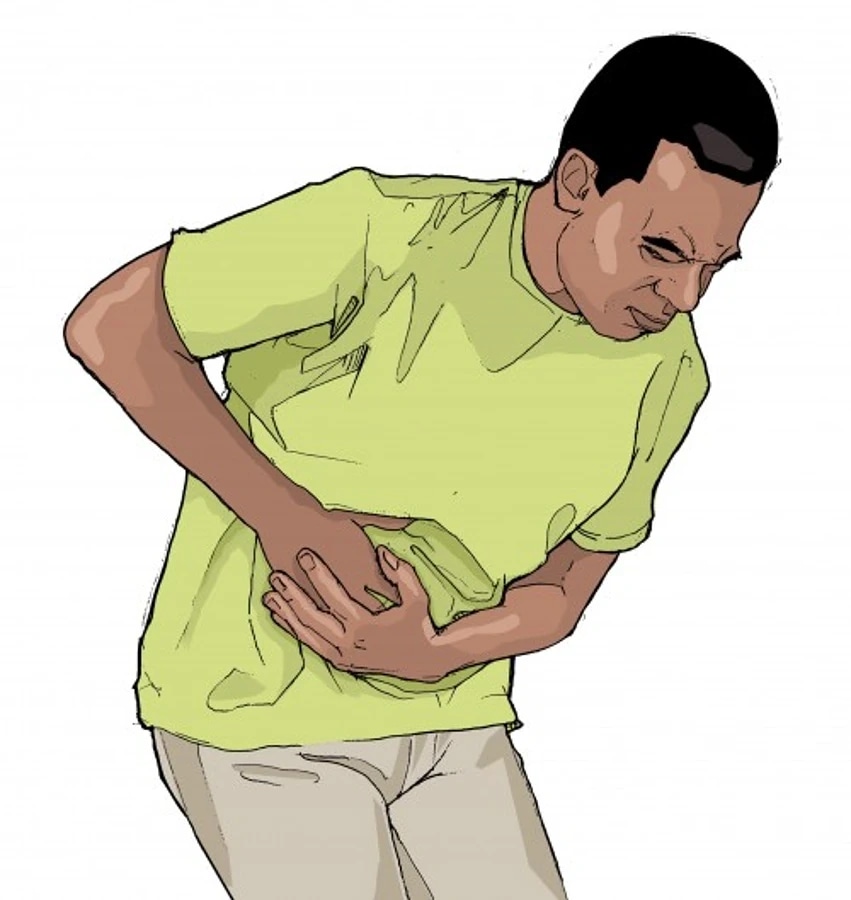
Runner's Gut – How to Avoid Stomach Problems in Training (#03)
Gut issues are among the most common reasons for underperformance in endurance sports. Here, we explore why your stomach starts acting up during training and competition, and what you can do about it. The focus is on the key factors – from reduced blood flow to incorrect energy intake – and how they interact. The emerging picture is that these issues rarely have a single explanation but occur when multiple factors coincide. At the same time, there are clear strategies that can reduce the risk and make your gut more resilient over time.
Why do gut issues arise during training?
Various reports reveal that as many as 70% (up to 90% in some races) of endurance athletes experience it to varying degrees. The most common symptoms among runners are stomach cramps and nausea, but vomiting and diarrhea also occur.
Even though research has intensified over the past 15 years, we are far from knowing everything. Studying the gut during training is a challenge in itself, and there is much more to explore to fully understand why these problems arise. Let's focus on what we currently know and what works practically to reduce the risk of gut issues in athletes.
We present 10 causes of a troublesome stomach during activity — call it runner's gut, cyclist's gut, or whatever you prefer. They are presented in descending order based on how critical they are to the gut issues.
The Top 10 Factors Increasing the Risk of Gut Issues
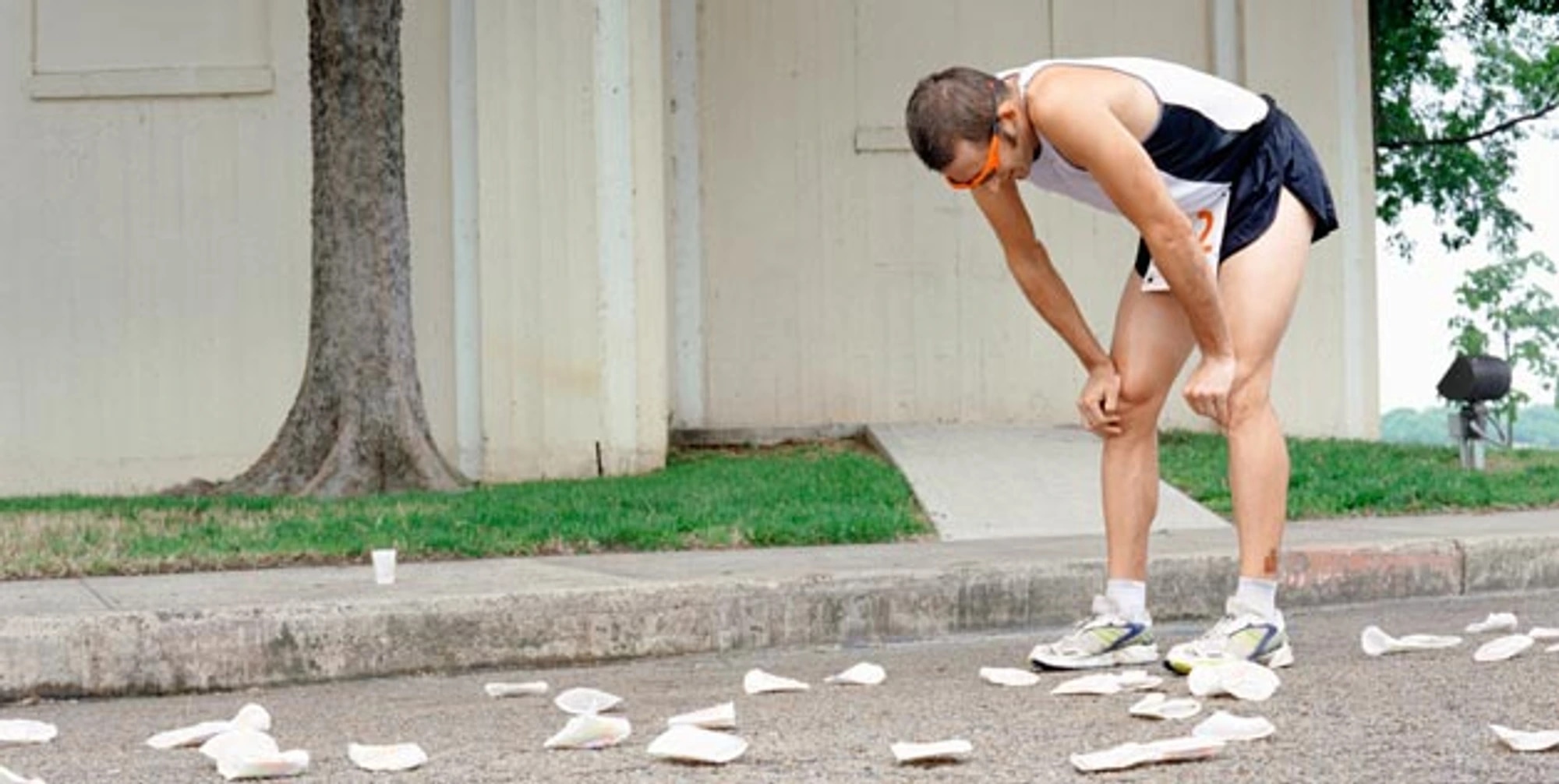
The Main Reasons for Runner's Gut
1. Reduced blood flow to stomach/intestines
This is the primary reason your gut becomes more sensitive, which then increases the risk of problems. During physical exertion, blood supply is redirected to parts of the body that need extra oxygen—mainly the leg muscles, heart, and lungs for runners and cyclists. The skin also receives more blood in warmer climates to assist with thermoregulation.
As much as 80-90% of blood flow can be redirected from the internal organs to the working muscles during intense exertion. This means a substantial part of the blood volume usually around the gut and intestines disappears, which can lead to conditions similar to "ischemic colitis"—damage or inflammation in the gut due to reduced blood supply. In extremely severe cases, especially with marathon and ultra-distance runners, damages have become permanent and required surgery.
Practically speaking, reduced blood supply means that the absorption rate of whatever you ingest decreases—be it water or sports drink. What you drink or eat stays in the stomach longer and can cause stomach cramps and nausea.
2. Overdoing energy intake before and during activity
Gut issues can occur even without consuming anything, but energy intake is a major contributor, especially foods that take longer to process: fats, fibers, proteins, and concentrated carbohydrates. A 1999 study measured the breakdown time for a "pan pizza" of about 600 kcal: it took almost 6 hours for the body to finish processing it. The same amount of energy through fast carbohydrates took about 1.5 hours. This demonstrates how slow the absorption process can be and how long digestion continues after a large meal, requiring substantial blood flow.
During exercise, researchers tested a lower energy-rich meal (390 kcal) just before physical activity: a smoothie containing 22 g of protein, 15 g of fat, and 41 g of carbohydrates. This fairly complex meal was enough to increase blood flow to the stomach in runners who jogged for 15 minutes on a treadmill. The meal was complex enough that blood flow to the muscles slowed at medium intensity. So, even at lower intensities, performance can be impacted if you eat too close to your workout time.
Most of us mainly consume carbohydrates during training and competitions, and if your gut starts to react, you've likely eaten or drunk more than you can absorb at that moment. Even adjusted carbohydrates like maltodextrin can cause issues if the intake is excessive. Energy from the previous meal might still be processing, so consider this when planning intake during activity.
If you've ever experienced a "candy stomach," it's the same phenomenon: consuming a large amount quickly causes stomach pain. If you had eaten the same amount of candy during a walk, the pain would have occurred sooner, and even earlier during running—the stomach becomes more sensitive when blood circulation is reduced.
3. Posture and Movement Efficiency
4. Duration
Over time, everything intensifies. Long periods of activity increase the risk of gut problems. Researchers suggest that the mechanical stress from the torso's twists during running strides, combined with reduced blood flow, contributes to the condition known as "bleeding gut."
5. Mechanical Stress
The mechanical wear from running — bumps and twists — is a major contributing factor (see point 3). Among cyclists, the issues aren't as common, even though rough asphalt causes vibrations. In a study, 9 out of 10 runners reported gut issues during a 161 km ultra-marathon, while only 4 out of 10 reported gut issues during a 67 km race. Symptoms included nausea, dizziness, and frequent restroom visits. Once again, duration shows its effect: mechanical stress increases over time.
6. Intensity
Many of the points above are influenced by intensity. At high intensity, it's tougher to maintain the correct posture on the bike, the blood supply to the stomach decreases, and you dehydrate more rapidly. However, since the aim is often to cross the finish line as fast as possible, intensity becomes a challenging factor to manage.
7. Dehydration
It's becoming more accepted that minor fluid loss doesn't affect performance. Weight loss during activity is normal and often desirable. However, if you have a history of gut issues, dehydration can irritate the intestines. Up to a 3% fluid loss doesn't seem to affect gastric emptying or absorption rate. But if the fluid loss is higher, the stomach and intestines can be negatively affected.
8. Pain Relievers / Painkillers
Avoiding painkillers during training and competition because they "trick" the body's signals might not be news. However, it's common to take painkillers during long-distance running. In a study, it was found that 60% of runners took painkillers during training sessions leading up to a competition. During competitions, as many as 70% of them took painkillers (both before and during the race). Additionally, 25% of these took a higher dose than recommended.
When as many as 89% of ultramarathon runners report gut issues, it's not hard to see a connection. Researchers have shown a 3–5 times increased risk of gut issues with the intake of NSAIDs (non-steroidal anti-inflammatory drugs) like ibuprofen. Simply put, these medications accelerate the "wear and tear" of the stomach and intestinal tract — they contribute to reduced blood flow and more irritation.
9. Caffeine
Coffee itself doesn't necessarily cause gut problems, but the stimulant caffeine affects the stomach and intestines. Caffeine stimulates the autonomic nervous system, which controls smooth muscle — including in the intestinal wall. This accelerates the intestines, moving their contents along more quickly. Caffeine also increases adrenaline production, which can be linked to involuntary stomach emptying.
Depending on the dosage, caffeine ranks differently on the list, but for most athletes, it's probably not the biggest culprit.
10. Genetics
A clear connection is that if you've historically had gut issues, the risk of recurrence is higher. Just like some people are prone to headaches or cramps, some are more likely to experience gut problems. We're all different individuals — this affects how resilient and sensitive we are.
However, genetics have little overall impact and aren't something to dwell on. The major factors are mentioned in earlier points, so focus on what you can influence before blaming your parents for the genes you've inherited ;).
Here's how to avoid a troublesome gut!

How to reduce the risk of stomach issues
Personalize Your Nutrition for Activity
Close to the race, your gut should be calm. In the 2–3 hours leading up to training/competition, it's recommended to avoid heavy food—especially fats, fibers, and protein. Your nutrient absorption in the small intestine can be reduced by up to 80% during exercise compared to at rest. Don't draw parallels between energy intake at rest and during performance—the body's functions differ.
During activity, the advice is to consume simple, easily absorbed carbohydrates that the body can quickly break down and absorb. It has been shown that the body does not differentiate between gels, bars, or sports drinks. The important factor is the number of grams of carbohydrates. If you wish to combine gels, bars, and sports drinks, you can, for example, start with gels and bars when your hydration levels are good and then shift to more sports drinks later in the race when you've sweat more and are thirstier.
Of course, you can also go without any energy if you wish. But this is the recommendation if you want your gut to remain calm while still getting energy into your system.
Technique and experience matter
Some studies suggest that a better, more upright posture while running can alleviate issues. A softer, smoother running stride minimizes mechanical load by reducing impact. Core stabilization exercises that enhance tone in the internal core muscles can limit movement in the abdominal area, providing support. Pushing your hips forward and adopting a more upright running style results in less compression of the organs, which is obviously beneficial.
Metaphor: A bouncing running stride can be compared to a pile driver. Each foot strike generates a downward force that shifts loose material in the body slightly with each step. Less bouncing equals less movement of gut contents, leading to a calmer stomach.
Hydration and Energy Strategy
It might sound like common sense, but not everyone practices it: those who train with the energy strategy they intend to use during competition face significantly fewer stomach issues. More effective absorption also means fewer stomach problems.
Consume energy along with fluids—especially important when you're dehydrated. Drink small amounts frequently to ensure a steady intake of fluids and energy. Avoid larger, spaced-out intakes; they can overwhelm your stomach, and larger amounts of fluid in the stomach can slosh around and cause irritation.
Avoid Unnecessary Risk Factors
Avoid painkillers unless medically necessary. Many athletes use pain relief preventively, but with a 3-5 times higher risk of stomach issues, it's not to be taken lightly.
Caffeine:
Caffeine is popular late in races for an energy boost, but we advise against it if you have a history of stomach issues. It's better to consume caffeine before the race since it has a half-life of about 5 hours in the bloodstream. In longer races, manage your intake to around 40-50 mg per hour, which is roughly half a cup of coffee.
Belt...
In acute situations, 40% usually take deep breaths, and 31% press on the affected area. Wearing a belt that provides slight pressure can reduce mechanical strain acutely by limiting the space for organ movement. See point 2 on improved posture.
This is a last resort, but if nothing else helps, a soft but snug neoprene belt might be worth trying.
Genetics:
Yes, you have the genetic setup you have—just like your competitor. Not much more to add to that.
Summary and Practical Tips
As you can see, gut issues are often multifactorial, and it can be hard to pinpoint a single culprit. The most common reason is that you're taking in more energy than you can absorb, in a stomach that, at the moment, is extra sensitive because the blood is prioritized to working muscles.
The simple solution is to be cautious with energy intake. The downside is that fatigue sets in faster, and the quality of your session drops. You can train your gut to get better at using both carbohydrates and fat as energy sources during activity. No one has a "steel gut"; we are more or less sensitive and more or less able to exceed our own limit. That limit isn't set in stone but can be increased. There are athletes who can handle energy intake of nearly 1 gram of fat or nearly 2 grams of carbohydrates every minute during activity without their guts crashing. There's no reason to think you can't reach higher levels if you give it time and gradually train your absorption with small increases. Don't forget to consider all the factors that affect your gut and adjust the ones you can if you have issues.
Simple Recommendations:
– Train with the same energy setup as during competition.
– Increase energy intake by making small increments from session to session.
– Avoid pain relief.
– No solid food 3 hours before training/competition and low fiber and fat intake in the last 2 days before competition.
– Drink small amounts and often, whether it's sports drink or just plain water.
– Review your running technique.