Fueling the Training Camp
How Coach Andreas Lindén Thinks About Nutrition
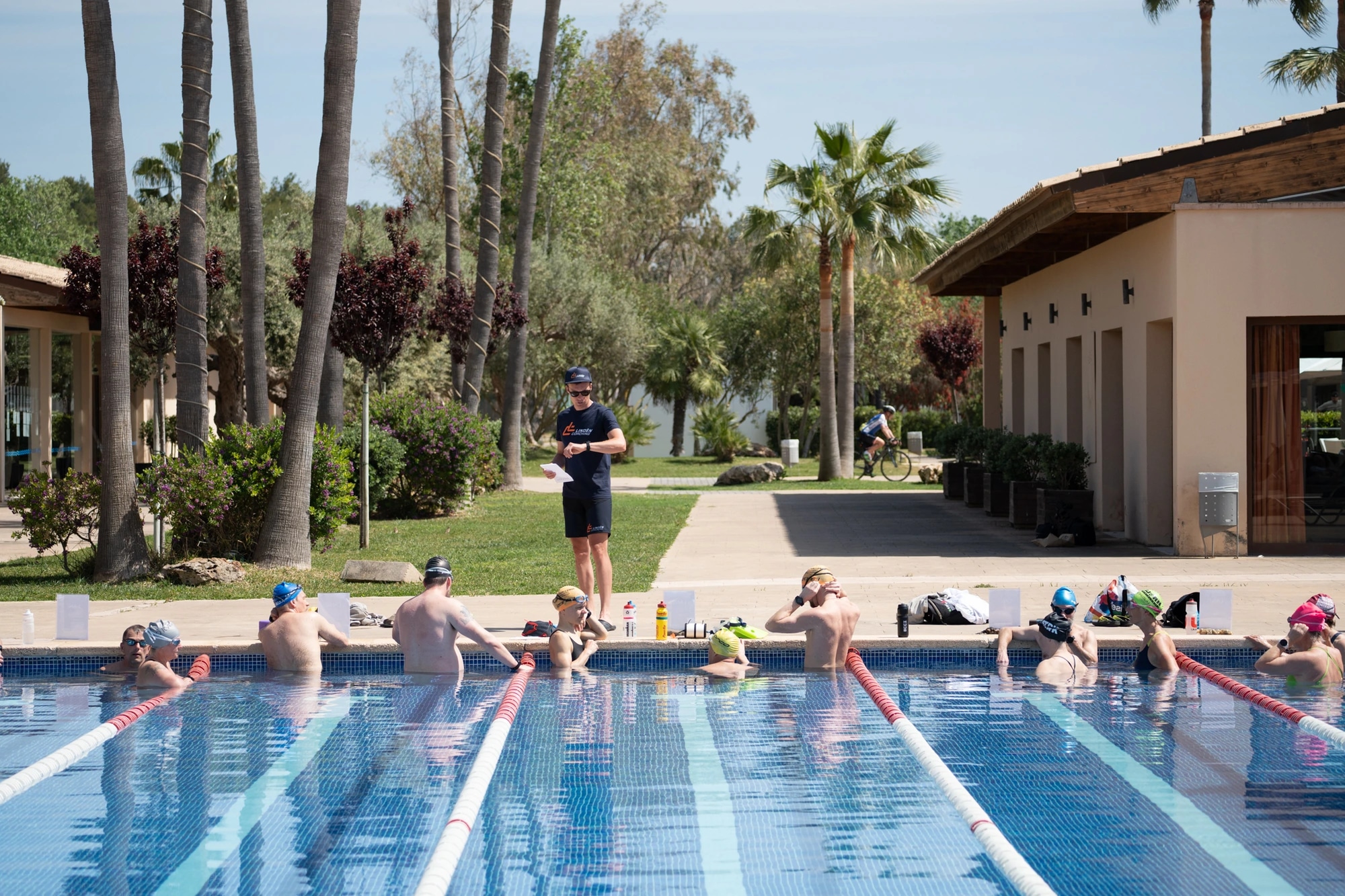
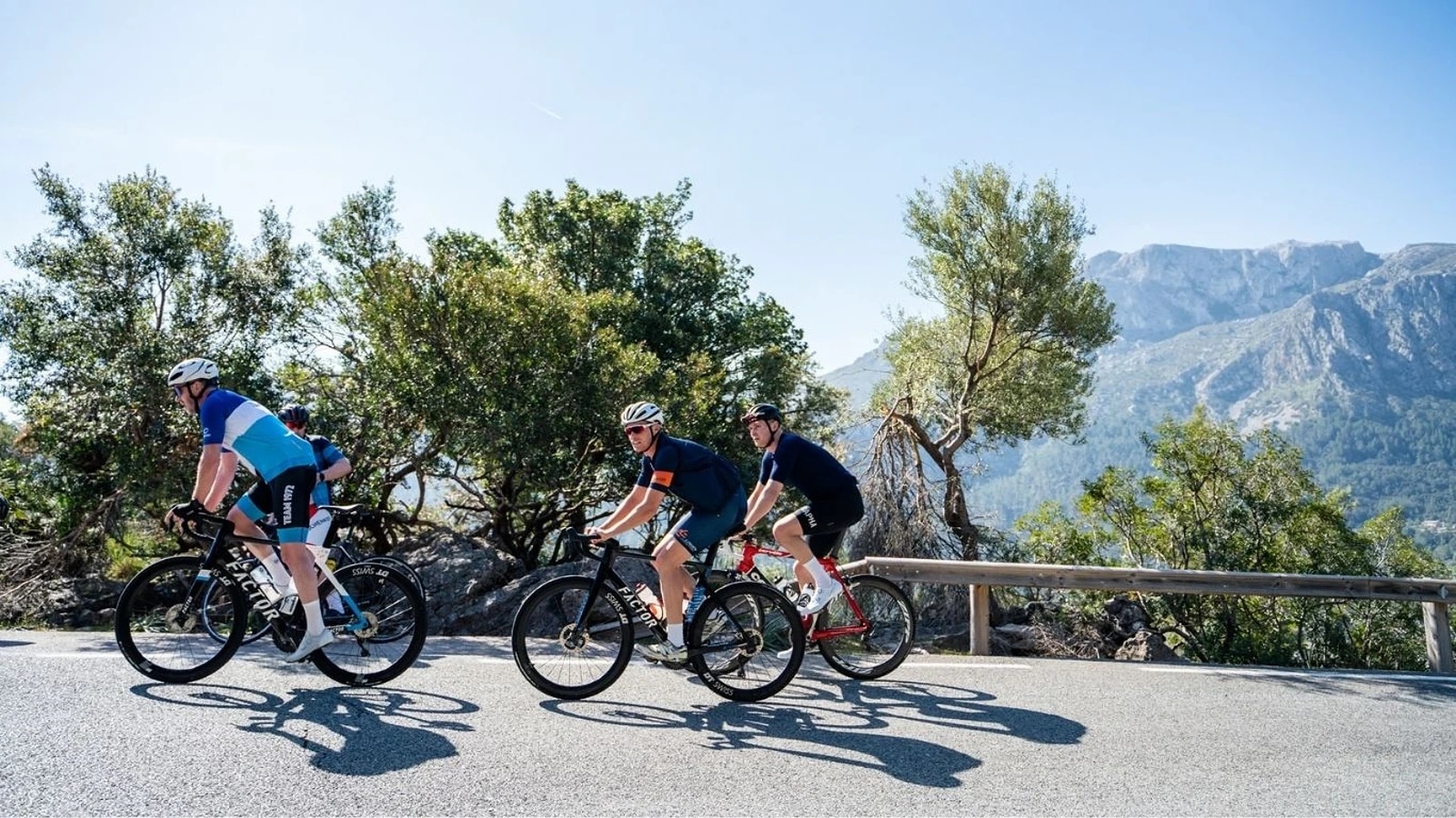
When Swedish cyclists travel to Mallorca for training camps, the days are often filled with long rides, steep climbs and demanding workloads. For coach and Umara ambassador Andreas Lindén, who guides Swedish athletes on the island, one factor stands out as decisive for a successful camp: proper nutrition.
"Making sure every participant gets their energy intake right is central to the entire camp", says Andreas.
When a cyclist runs low on energy, the impact goes beyond reduced training quality. One of the biggest risks is a significant decline in cognitive function. On unfamiliar mountain roads, in traffic and through tight hairpin turns, that can quickly become a safety issue.
A solid foundation is therefore to stay at a hotel with buffet meals, ideally with half board. The overall diet should be carbohydrate-rich and consist of foods that are easy to eat a little more of than usual. At the same time, Lindén points out that the easiest way to meet the increased energy demands is often through drinks.
Maintaining a systematic intake during rides is key to sustaining performance day after day. A recovery drink containing roughly two parts carbohydrates and one part protein—such as a U Recover or chocolate milk—is recommended immediately after finishing a session. It can also serve as an additional meal during the day.
Common Mistakes Start Before the Camp
One of the most common mistakes actually happens before the camp even begins. Many athletes miss meals while traveling.
"It’s very common that people rely on airplane food or simply assume they’ll find something to eat when they arrive late in the evening, Lindén explains."
Missing one or two meals the day before the camp starts can put athletes at an energy deficit right away. At the same time, many riders—full of motivation—head out for long and demanding rides on the very first day.
Another mistake is relying on café or lunch stops during rides. Stopping for coffee can be enjoyable, but it should not be the backbone of a nutrition strategy.
"A steady intake from start to finish every day gives you both the best training effect and the best overall experience. You also can’t rely on your ride working out just because you planned to stop in the square in Sóller—especially if it happens to be Easter weekend and 500 other cyclists had the same idea."
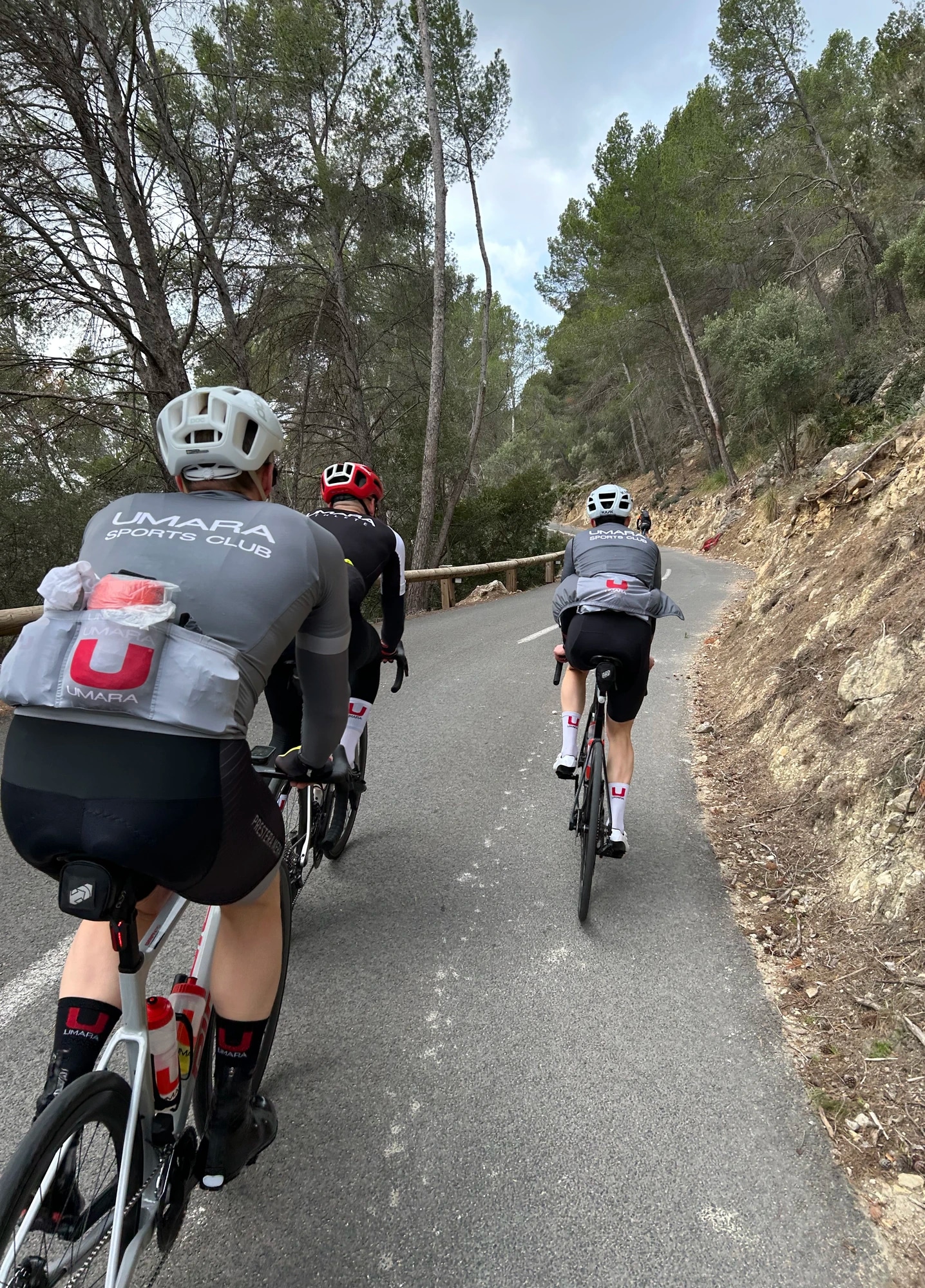
Many riders also underestimate how much fuel they need to bring with them. For a week-long training camp, at least one kilogram of sports drink powder is usually necessary–and often more.
"The athletes I coach who consume the most sports drink can go through around five kilograms during just over a week of training."
Constant Fuel Every 20 Minutes
When several demanding training days follow one another, the principle is simple: maintain a constant flow of energy throughout every ride.
“I recommend taking in energy roughly every 20 minutes,” Lindén says.
In theory this is straightforward, but in practice it often becomes a logistical challenge. The energy has to be carried on the bike. Some riders bring gels, others carry pre-portioned sports drink powder, while some prepare everything in their bottles before the ride.
A key detail is knowing where and when it’s possible to refill bottles. The group often stops at gas stations where water, restrooms and quick service are available. In hot weather these stops become even more important.
Lindén recommends a bottle strategy planned in advance. One bottle might be mixed to last until the first stop – perhaps 1.5 hours into the ride. The second bottle can be mixed more concentrated so it lasts longer, for example 4.5 hours. At the first stop, part of the concentrated bottle can be diluted with water in the first bottle, and the process continues throughout the ride.
Individual Nutrition in a Group Setting
At the training camp Lindén works with a relatively small group of around 20 cyclists, which makes it possible to personalize nutrition even within a group environment.
“I know all the participants well, and most of them already have good control over their intake.”
Training sessions are planned in advance in TrainingPeaks, where each workout also includes guidance on how much energy the athletes should consume during the ride.
In previous years, when groups included riders he didn’t know as well, he would start the camp with a short lecture on nutrition followed by a practical session where participants mixed sports drink together.
“That usually sets the standard for the rest of the week.”
According to Lindén, the key to making group nutrition work lies in understanding individual needs.
“Fueling during rides is actually quite simple. The important thing is making sure every athlete understands their own requirements.”
Crucial for Performance and Recovery
Proper nutrition ensures that even a significantly increased training volume during a camp can produce positive training adaptations. Without adequate fueling, however, the camp risks becoming more of an adventure than an effective training block.
“In that case you simply overload the body and get limited training benefits.”
The return trip home also plays an important role. The risk of illness is often high when athletes travel home after a demanding week. For that reason, Lindén suggests avoiding the hardest efforts on the final day—and continuing to prioritize nutrition during the journey home.
“Don’t skip meals and plan ahead. If you avoid ending the camp in a big energy deficit, your recovery will be much faster once you get home.”