Energy plan for the Nordenskiöldsloppet
|
2.5 min reading
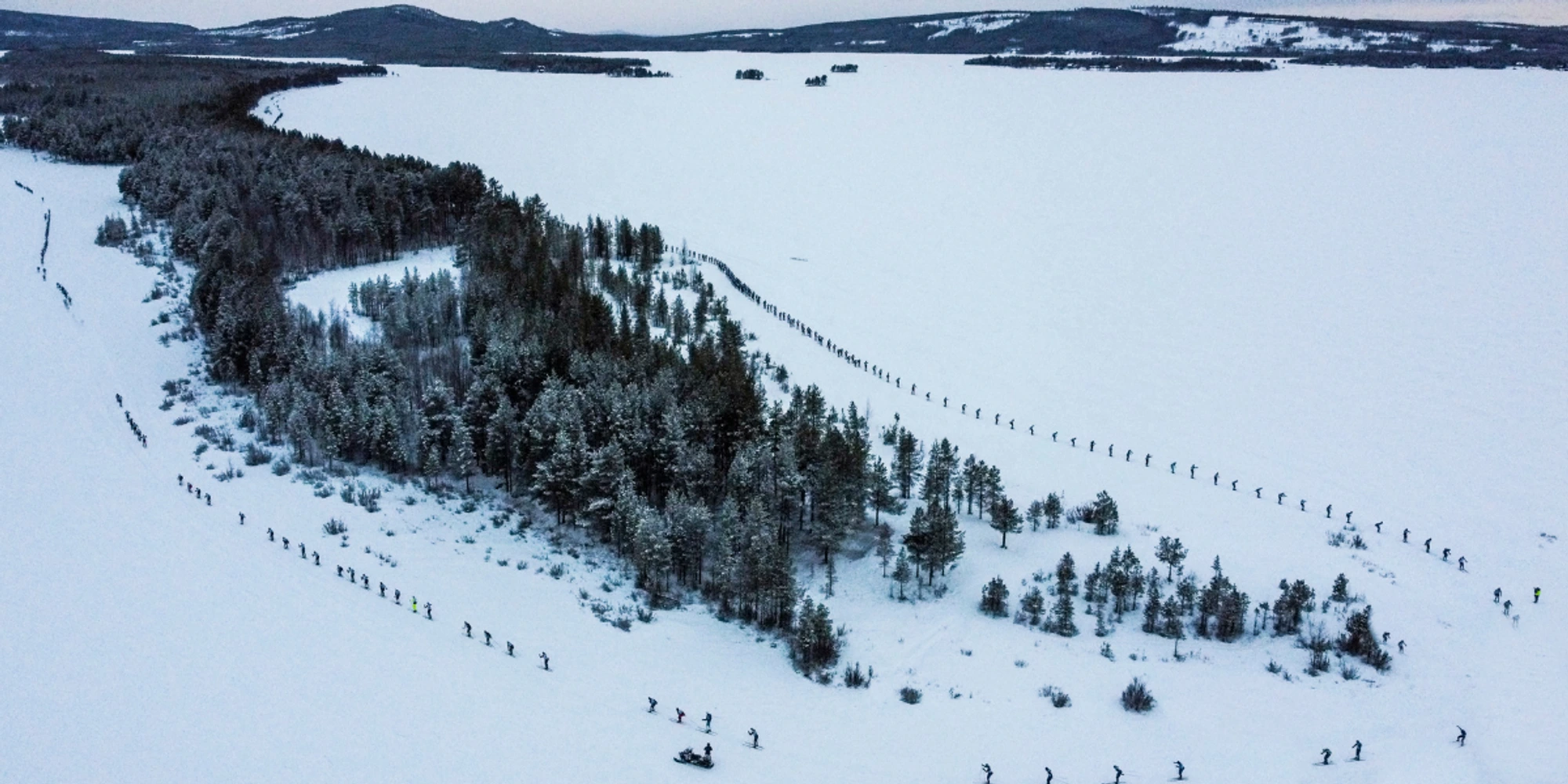
On March 23, 2024, the seventh edition of the Nordenskiöldsloppet in modern times will take place. This 220-kilometer race, following a historical route from 1884, takes participants through an untouched wilderness north of the Arctic Circle. Umara is once again the official energy sponsor, and along the route, our sports drink, gels, and energy bars will be offered.
With just over a month left until the race, it's time to start thinking about energy plans, especially for such a long and special race. Below are our best energy tips for a successful race up north.
With just over a month left until the race, it's time to start thinking about energy plans, especially for such a long and special race. Below are our best energy tips for a successful race up north.
Umaras Energy Tips
The Nordenskiöldsloppet, the world's longest ski race, requires a well-planned energy intake. Even though the distance is extensive, the fundamental nutritional needs do not change. For performances lasting between 2 and 24 hours, the focus should be on a high carbohydrate intake. As the time approaches 24 hours and beyond, the total energy intake should also be prioritized to avoid excessive calorie deficits.
In addition to ski training, it is wise to practice your energy intake. The body becomes more efficient at what it trains for, including nutrient absorption. We recommend an intake of about 60-90 grams of carbohydrates and 0.5 liters of fluid per hour.
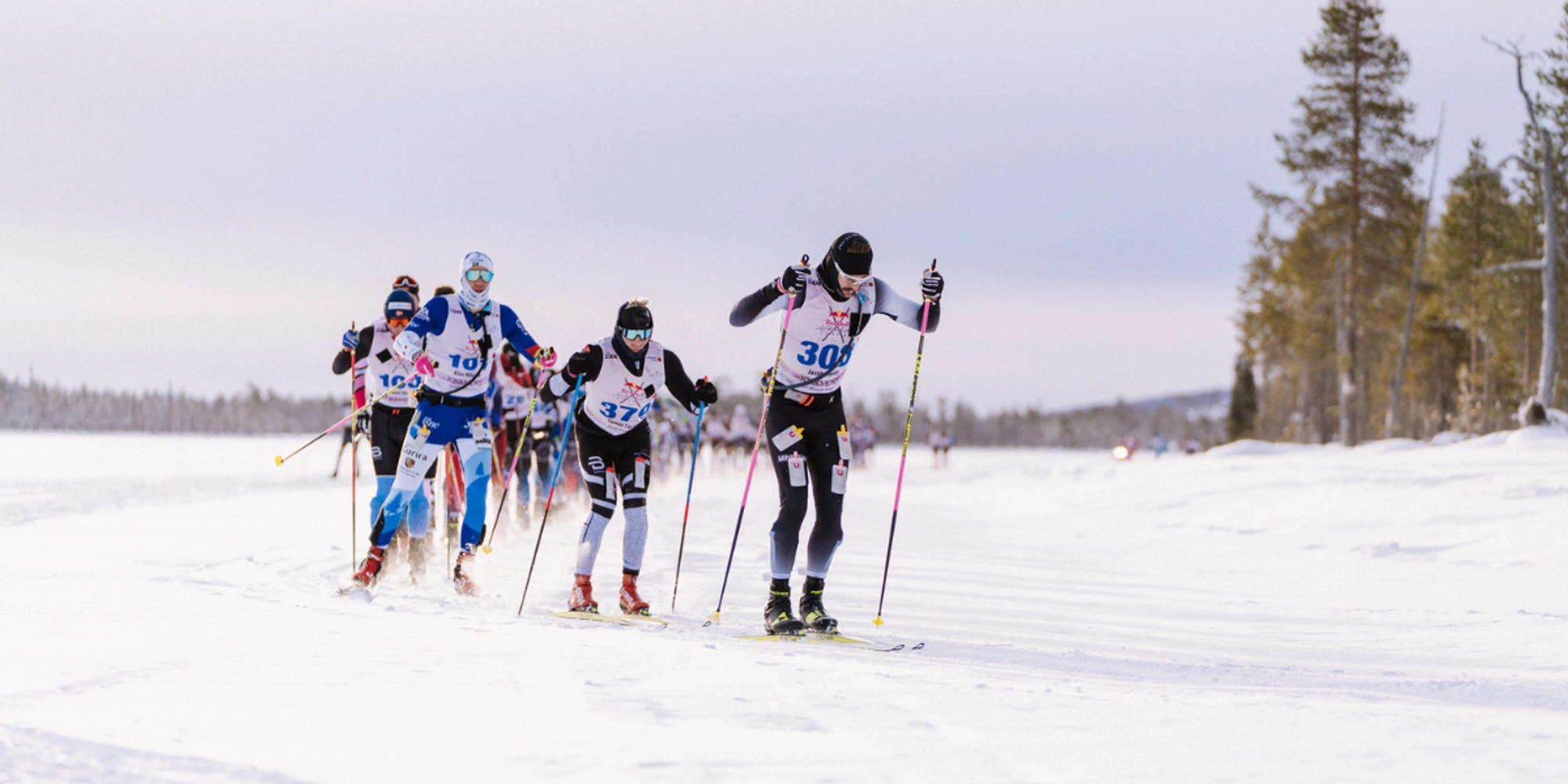
Carbohydrates can be consumed via sports drinks, gels, and bars. Start early with your intake during the race and continue every 15-20 minutes. If the goal is 90 grams of carbohydrates per hour, this corresponds, for example, to three gels or three scoops of sports drink per hour. This can be achieved by using the 17 designated stations in combination with your own gels and a hydration belt with sports drink. The sports drinks at the stations provide 15g of carbohydrates per cup, while gels and bars offer 20-30g of carbohydrates each.
It is important to test your energy plan well in advance of the start. If your stomach is completely unused to energy intake during activity, start low, perhaps with 30g/hour, and gradually increase during training sessions leading up to the competition. The stomach/intestines are also very trainable and quickly become better at absorbing the energy we put into them, which reduces the risk of potential stomach issues.
Do you want to learn more about how to plan your energy intake? Read Umaras energy school
Caffeine?
Caffeine gives you a kick and counteracts fatigue; therefore, we recommend including it during the race as well. However, we suggest waiting with the intake (unless the goal is to win the race). Caffeine lowers perceived exertion, which can lead to pushing too hard and using up your strength too early in the race. Instead, wait until you are about one-third into the race before you start with caffeine. A U Intend shot, which contains 250mg of caffeine, can be beneficial to take during the small hours of the night when fatigue sets in. You can then take a caffeine gel every other hour to keep caffeine levels steady and effective.
With these tips, the 22 miles may not necessarily feel easier, but your experience can become faster and more enjoyable.
Team UMARA wishes you the best of luck.
The Nordenskiöldsloppet, the world's longest ski race, requires a well-planned energy intake. Even though the distance is extensive, the fundamental nutritional needs do not change. For performances lasting between 2 and 24 hours, the focus should be on a high carbohydrate intake. As the time approaches 24 hours and beyond, the total energy intake should also be prioritized to avoid excessive calorie deficits.
In addition to ski training, it is wise to practice your energy intake. The body becomes more efficient at what it trains for, including nutrient absorption. We recommend an intake of about 60-90 grams of carbohydrates and 0.5 liters of fluid per hour.
Carbohydrates can be consumed via sports drinks, gels, and bars. Start early with your intake during the race and continue every 15-20 minutes. If the goal is 90 grams of carbohydrates per hour, this corresponds, for example, to three gels or three scoops of sports drink per hour. This can be achieved by using the 17 designated stations in combination with your own gels and a hydration belt with sports drink. The sports drinks at the stations provide 15g of carbohydrates per cup, while gels and bars offer 20-30g of carbohydrates each.
It is important to test your energy plan well in advance of the start. If your stomach is completely unused to energy intake during activity, start low, perhaps with 30g/hour, and gradually increase during training sessions leading up to the competition. The stomach/intestines are also very trainable and quickly become better at absorbing the energy we put into them, which reduces the risk of potential stomach issues.
Do you want to learn more about how to plan your energy intake? Read Umaras energy school
Caffeine?
Caffeine gives you a kick and counteracts fatigue; therefore, we recommend including it during the race as well. However, we suggest waiting with the intake (unless the goal is to win the race). Caffeine lowers perceived exertion, which can lead to pushing too hard and using up your strength too early in the race. Instead, wait until you are about one-third into the race before you start with caffeine. A U Intend shot, which contains 250mg of caffeine, can be beneficial to take during the small hours of the night when fatigue sets in. You can then take a caffeine gel every other hour to keep caffeine levels steady and effective.
With these tips, the 22 miles may not necessarily feel easier, but your experience can become faster and more enjoyable.
Team UMARA wishes you the best of luck.