
Umara plastic bottle - Jar becomes Bag
Saving in Transport
It allows space for about 20% more products per pallet during deliveries to us, which means 20% fewer pallets and, provided that the transport companies have a good fill rate on their trucks, ultimately also 20% fewer transports and lower climate impact.
Additionally, it is significantly easier for us to achieve a good fill rate on the packages we send out to you as a customer. A bag can be folded and adjusted in size, while a can has its round shape, which is not the most optimal shape to maximize volume in square boxes. So with bags, we can pack much more efficiently and send less air per package.
Summary
In summary, it is both more climate-smart and, in the long run, more economical for us to switch to plastic bags. The downside is that it is a bit easier to get puncture damage during transport and handling. And during air travel, there is a greater risk that the bag could open and powder could leak out due to pressure changes. But for these specific occasions, we have U Refill that you can pour the powder into, or for that matter, pour into a container you’ve saved in the pantry ;)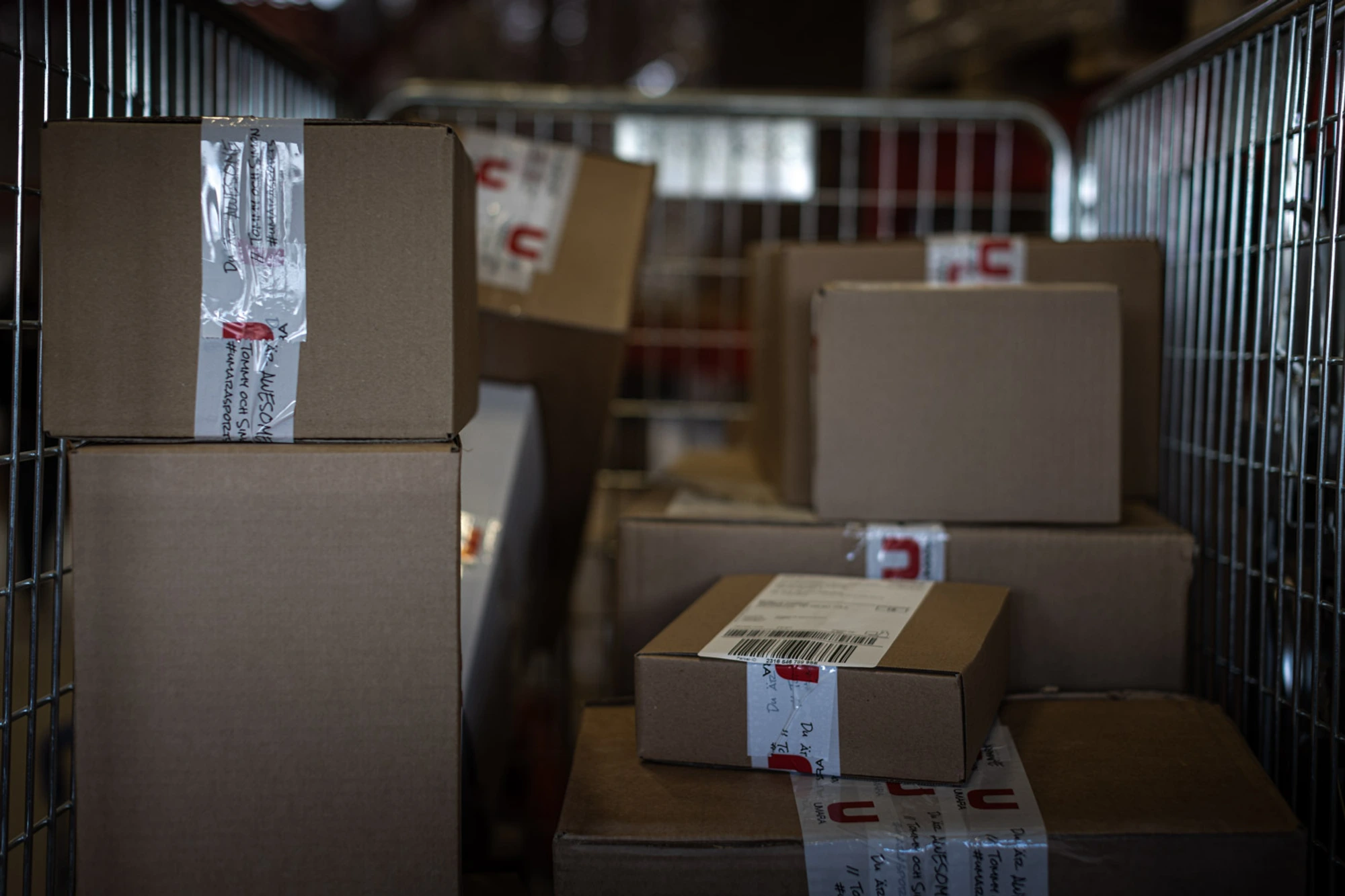
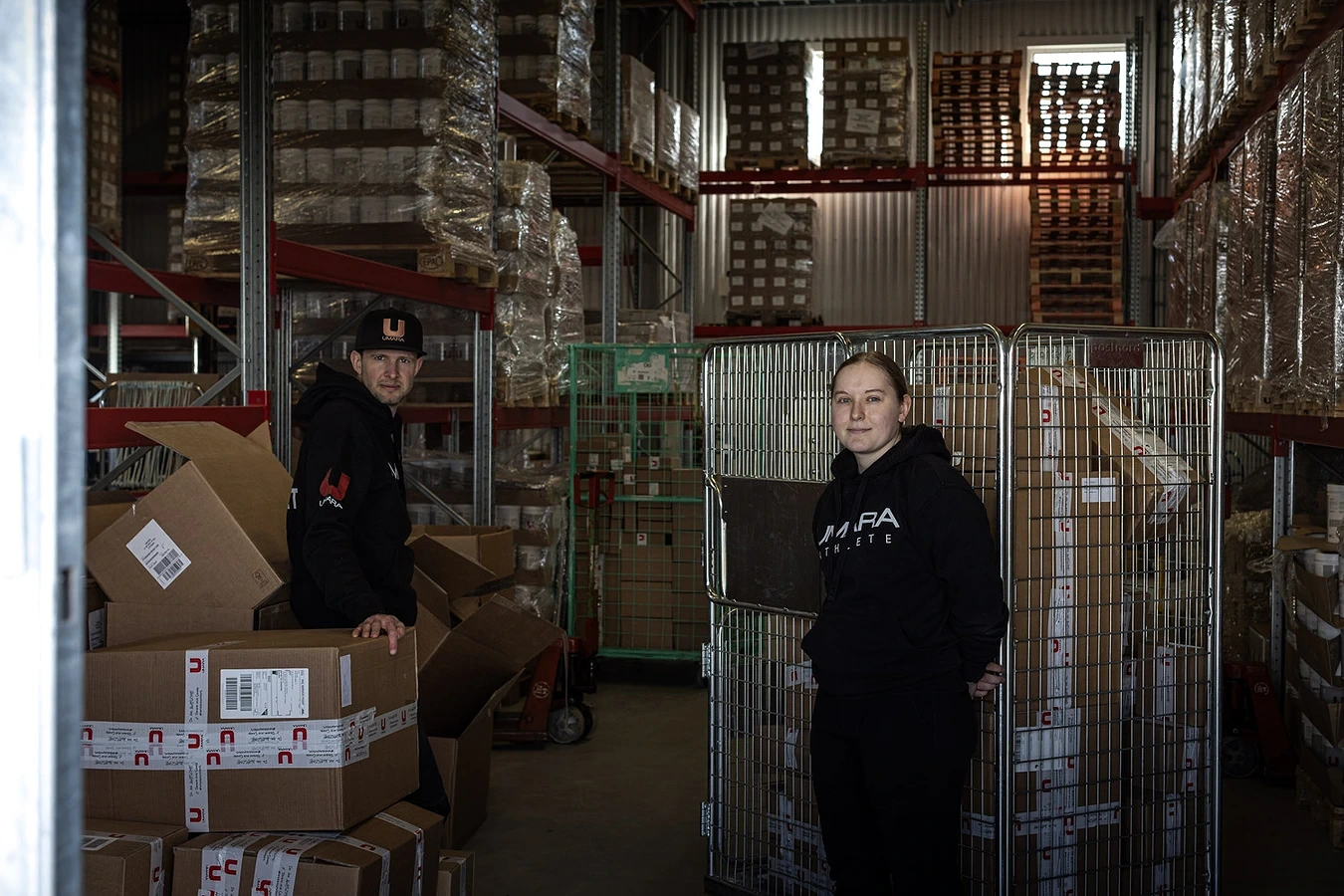
As you may have noticed, there are fewer products from us that come in a jar. U Sport, U Recover, and U Loader now instead come in bags, and this is a step forward in our environmental efforts. The powder in a bag maintains the same quality as in a jar, but at a significantly lower climate cost. Let us show you some figures.
Weight/volume savings
Calculated based on the annual volume of sold products of U Sport, U Recover, and U Loader, as well as the weight of a jar with a lid compared to a bag, the annual savings in pure plastic is already 6.5 tons. And as growth increases, the savings will of course grow as well, but that’s where we are right now.
According to the Swedish Environmental Protection Agency, every ton of plastic costs 2.5 tons of carbon dioxide equivalents. So in our case, the pure savings for the plastic itself is 15 tons of carbon dioxide equivalents (based on only 15% of the energy used to produce the empty jars in the Netherlands coming from renewable sources, with 85% from non-renewable).
“Approximately 2.5 tons of carbon dioxide equivalents per ton of plastic are produced on average during manufacturing, or 1 ton of carbon dioxide equivalents per ton of plastic if renewable energy is used, and 2.7 carbon dioxide equivalents per ton of plastic during incineration.”
It is also the case that packaging for food cannot be made from recycled plastic, as there is no control over the plastic at our recycling stations and there is no closed system like the Returpack/deposit system for beverages. Someone could have thrown in an empty can that has contained antifreeze, gasoline, paint thinner, etc., and traces of this are not something we want in the manufacturing of the packaging that we then use for squeezing baby food, drinking our yogurt, or eating our Risifrutti or for that matter scooping our sports drink powder out of.